The Stories Book, a fine collection of moments in time featuring photographs from Louis Fleckenstein, Paul Strand and Asahachi Kōno, is available for pre-order
Stay in the loop



The Stories Book, a fine collection of moments in time featuring photographs from Louis Fleckenstein, Paul Strand and Asahachi Kōno, is available for pre-order
by Cora Astin
In 1990 Dr. Rudine Bishop, OSU prof. of education, wrote that books are often viewed as a mirror, window, or sliding glass doors. Since then, her statement has resonated throughout the education and library communities, prompting ongoing conversations and encouraging us to think more critically about how we view books and in turn which books we are placing in front of children.
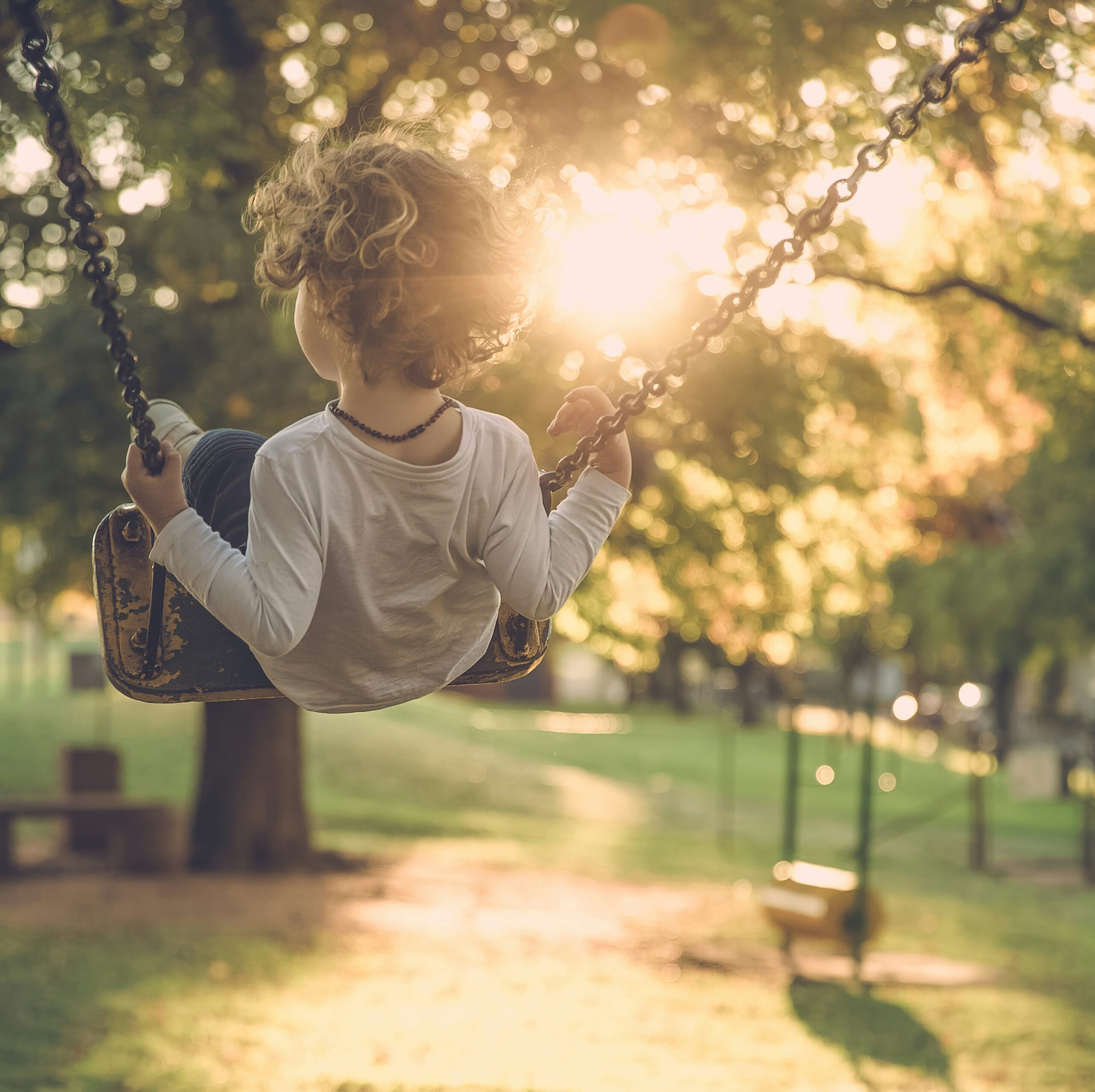
IIf you’re like any of us on the CLEL Bells committee, you may have noticed a recent increase in picture books set outdoors. During the review process, one question kept coming up: Why are so many picture books centered around being outside right now?
While there may not be one simple answer, I think it connects directly back to Dr. Bishop’s idea of what books are meant to be for readers. Recently, The Anxious Generation by Jonathan Haidt has prompted renewed conversations about how children are growing up, particularly challenging long-held beliefs passed down to parents over the last few generations.
One area Haidt highlights is how children play. In recent years, there has been a strong emphasis on indoor, screen-based play often closely filtered through a parental lens. As a result, children are playing together less and less, and even less frequently playing outside.
What we’re seeing in the picture book landscape right now feels like a blending of these two ideas: the influence of Haidt’s research paired with the enduring impact of Bishop’s statement. Picture books set outdoors serve as sliding glass doors, inviting children to step outside, engage with one another, and rediscover the joy of shared, outdoor play.
by Cora Astin
Have you ever read a board book and noticed the raised or textured objects that little ones can trace with their fingers? Those elements aren’t randomly placed there by accident! They are actually designed to help support early pre-reading and pre-writing skills.
As littles begin to trace different shapes and objects, they begin creating synapses related to fine motor skills, hand–eye coordination, and muscle memory for letter formation. (That’s just a fancy way of saying these actions help build important pathways in a child’s brain that link to the foundation of writing.)
As littles begin to trace different shapes and objects, they begin creating synapses related to fine motor skills, hand–eye coordination, and muscle memory for letter formation. (That’s just a fancy way of saying these actions help build important pathways in a child’s brain that link to the foundation of writing.)
That’s just a fancy way of saying these actions help build important pathways in a child’s brain that link to the foundation of writing.
— Cora Astin
While a few of these benefits are very obvious to see. Fine motor development and hand–eye coordination make sense because children are actively using their hands and fingers to follow the shapes on the page.
The less obvious benefit is how tracing supports pre-writing skills through muscle memory. Many of the lines and shapes found in board books for littles to trace are actually the building blocks of letters and numbers.
When you take a deeper look at how letters and numbers are formed, you’ll notice they’re made up of simple motions: curves, circles, and lines. These are the same types of movements that authors and illustrators intentionally include in board books for little fingers to trace.
By practicing these motions early on through tracing in board books, children begin developing the muscle memory they’ll rely on when learning to write in the years ahead, long before a pencil ever enters the picture.
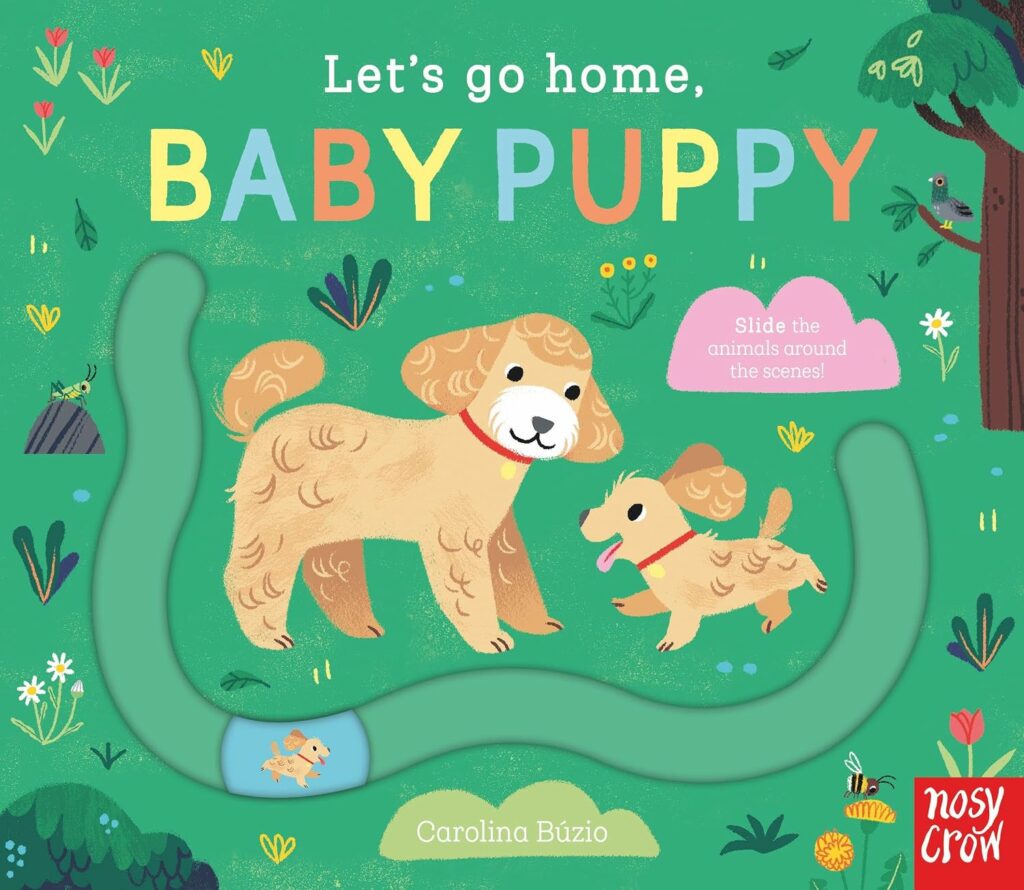
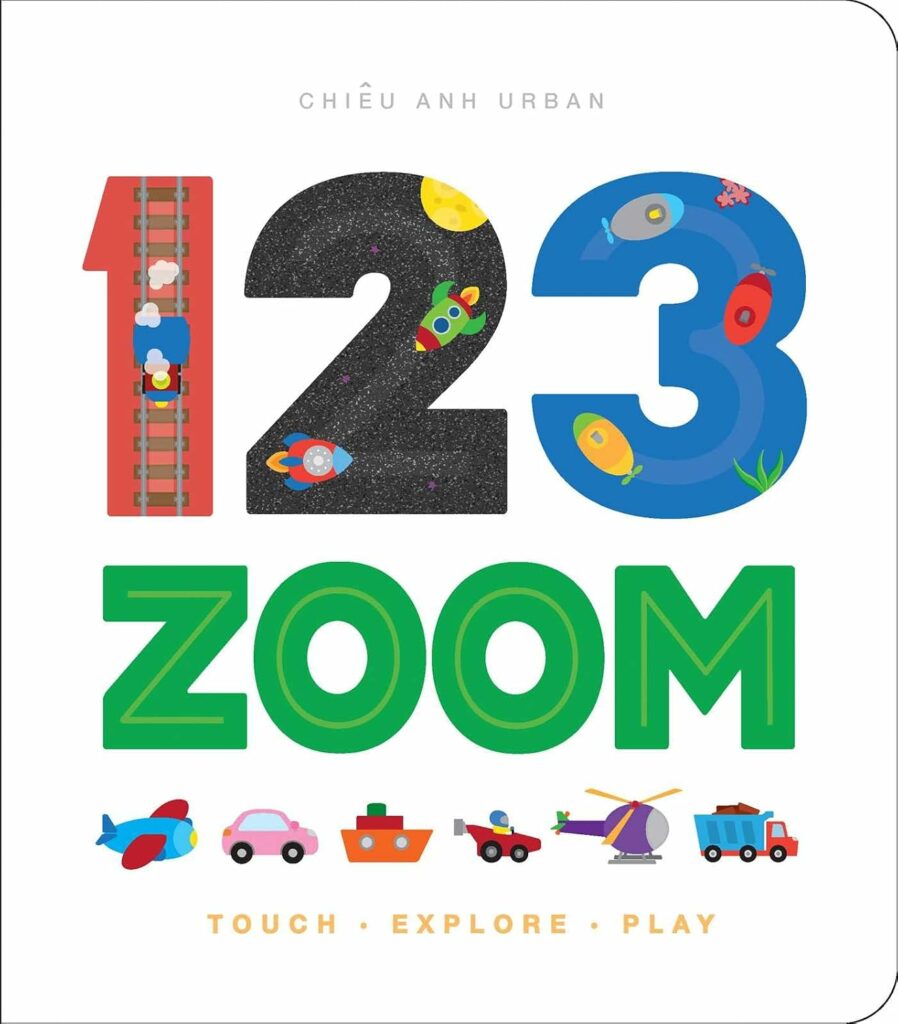
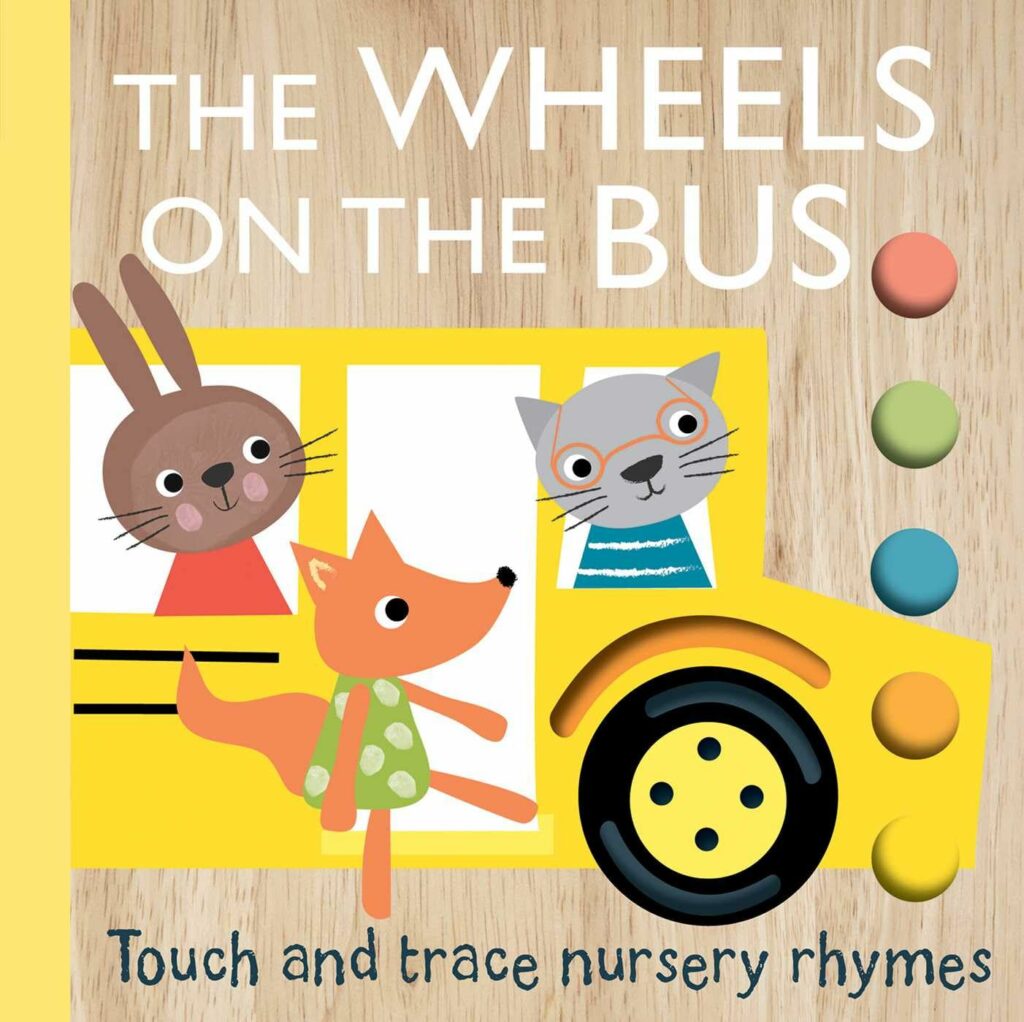
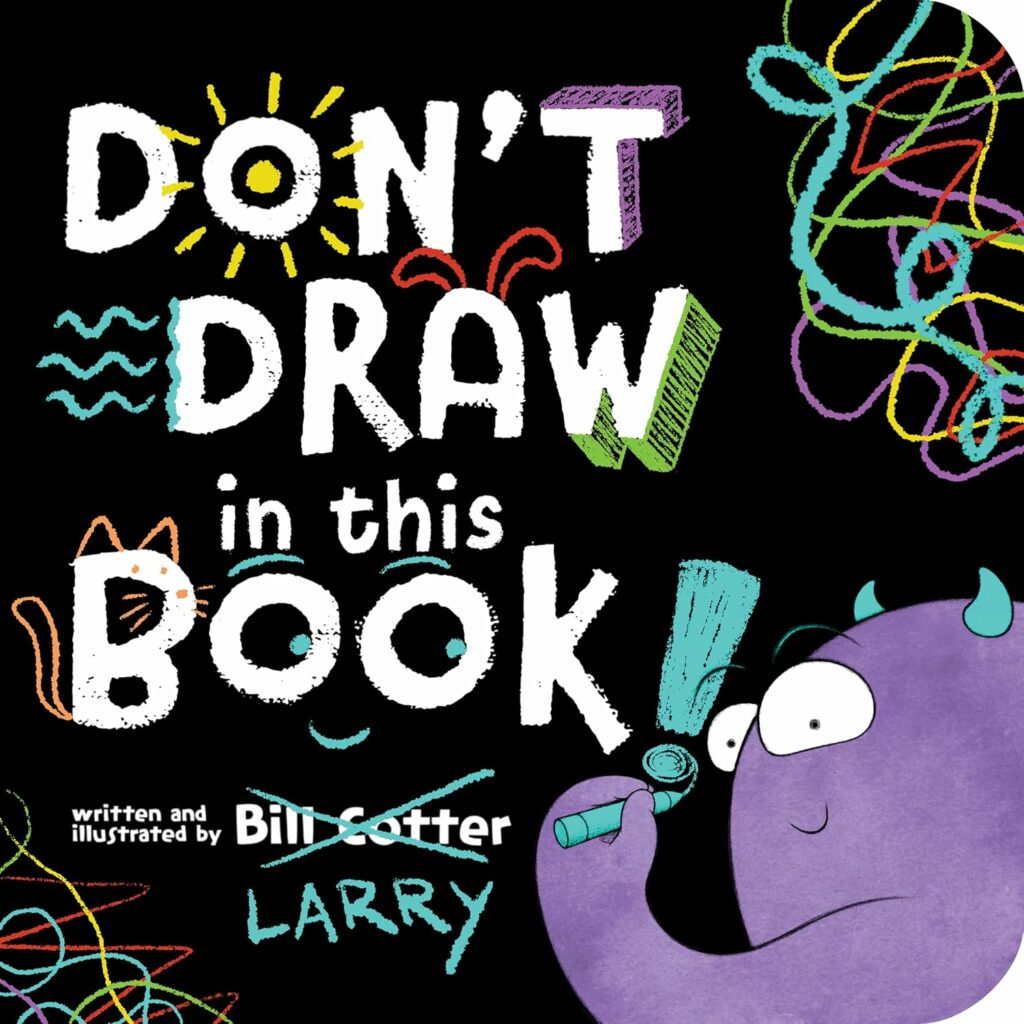
Want to practice these skills with your littles? Here are some suggestions from our CLEL Bells books: